Introduction
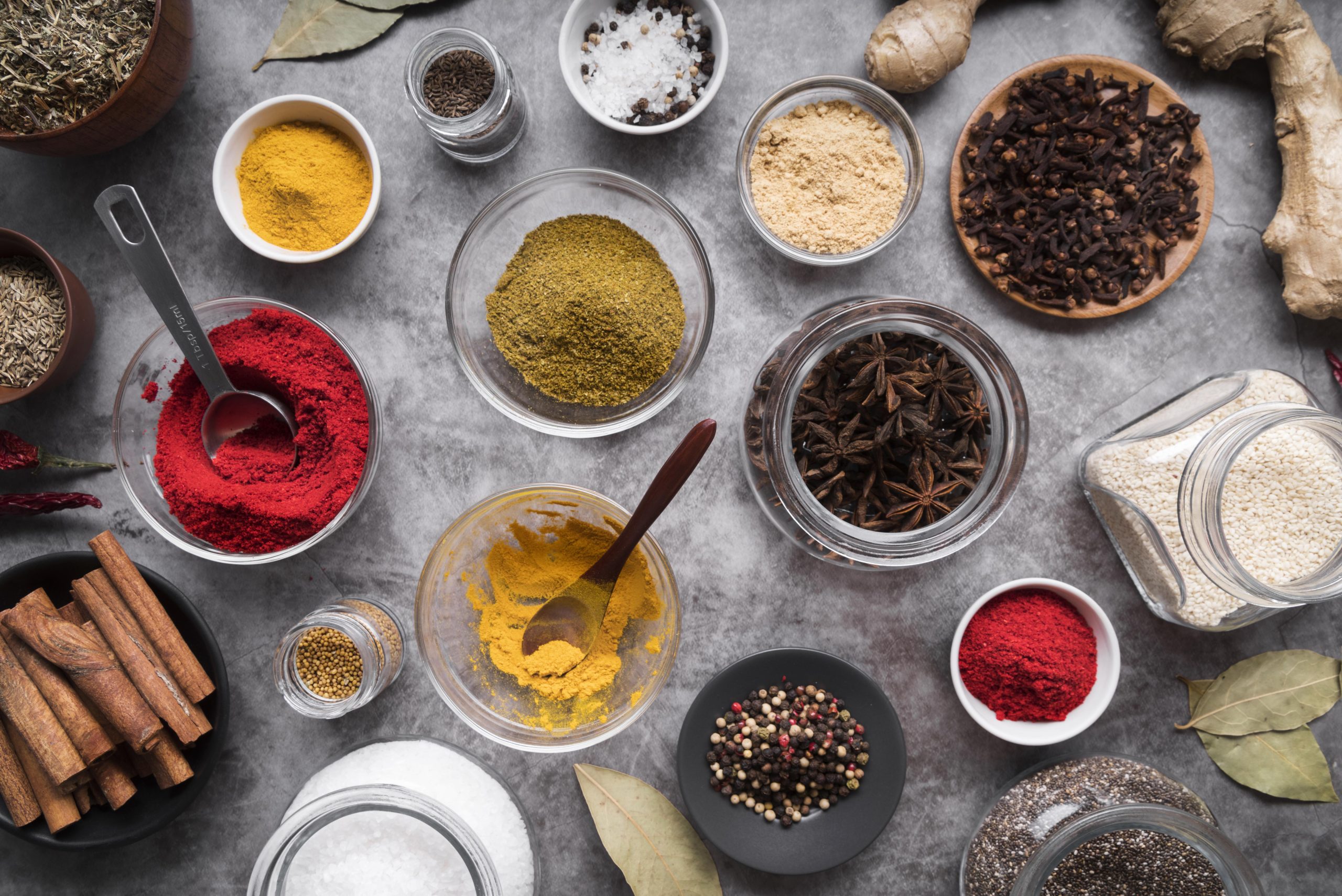
Imagine walking through a bustling spice market, where the air is filled with the warm, earthy aroma of cumin, the fiery intensity of chili peppers, and the sweet, floral scent of cardamom. Spices have played a transformative role in human history, shaping trade, exploration, and cuisine across cultures. They have been used for preserving food, enhancing flavors, and even as medicine for centuries.
From the rich masalas of India to the smoky paprika of Spain, from the delicate saffron of Persia to the fiery Sichuan peppercorns of China, spices define the essence of many iconic dishes. But beyond their flavors, spices tell a story of migration, conquest, and the blending of traditions.
In this journey through the Global Spice Trail, we will explore:
✔️ The history and origins of spices
✔️ How spices traveled across continents and influenced cuisines
✔️ Unique spice blends from different cultures
✔️ The health benefits of various spices
✔️ How to use and store spices properly
✔️ Some delicious spice-infused recipes to try at home
Let’s embark on this flavorful adventure!
The History of Spices: A Journey Through Time
Spices have been treasured for thousands of years, long before modern refrigeration and food preservation methods existed. Civilizations fought wars, explored new lands, and built entire economies around spices.
📍 Ancient Beginnings
- The earliest records of spice use date back to ancient Egypt, where cinnamon and myrrh were used in embalming and religious ceremonies.
- In China, ginger and star anise were valued for their medicinal properties as early as 2700 BC.
- Indian traders cultivated and exported black pepper, turmeric, and cardamom, making India the spice hub of the world.
📍 The Spice Routes
- The famous Silk Road and Maritime Spice Routes connected Asia, the Middle East, Africa, and Europe.
- The Roman Empire imported vast amounts of black pepper from India, considering it a luxury item.
- The Age of Exploration (15th–17th centuries) saw European powers, such as Portugal and Spain, searching for direct sea routes to the spice-rich lands of India and Indonesia.
📍 The Influence of Spices on Global Cuisine
The movement of spices led to the creation of iconic spice blends that define various cuisines today.
✔️ Garam Masala (India) – A blend of cumin, coriander, cardamom, cinnamon, and cloves.
✔️ Chinese Five-Spice (China) – A balance of sweet, bitter, pungent, sour, and salty flavors using star anise, Sichuan peppercorns, cloves, fennel, and cinnamon.
✔️ Berbere (Ethiopia) – A fiery mix of chili peppers, ginger, fenugreek, and allspice.
✔️ Za’atar (Middle East) – A fragrant blend of thyme, sumac, sesame seeds, and oregano.
✔️ Ras el Hanout (Morocco) – A complex mix of 20+ spices, including saffron, turmeric, and nutmeg.
The Health Benefits of Spices
Spices are not just flavor enhancers; they are nutritional powerhouses packed with antioxidants, anti-inflammatory properties, and essential minerals.
🌿 Turmeric – Nature’s Superfood
- Contains curcumin, a powerful anti-inflammatory compound.
- Supports immune health and helps with joint pain.
🌶 Chili Peppers – Metabolism Booster
- Rich in capsaicin, which aids in fat burning and digestion.
- Enhances circulation and reduces inflammation.
🌰 Cinnamon – Blood Sugar Regulator
- Helps stabilize blood sugar levels and improve insulin sensitivity.
- Adds natural sweetness without extra sugar.
🟡 Saffron – The Golden Spice
- Known for enhancing mood and reducing symptoms of depression.
- A key ingredient in dishes like paella and biryani.
How to Store and Use Spices for Maximum Flavor
✔️ Store spices in airtight containers away from heat and light to retain potency.
✔️ Toast whole spices before grinding to release their essential oils.
✔️ Use fresh spices whenever possible, as they lose flavor over time.
✔️ Experiment with spice blends by mixing and matching different flavors in your cooking.
Spice-Infused Recipes to Try at Home
1. Indian-Inspired Golden Turmeric Latte ☕
A warm and soothing drink packed with anti-inflammatory benefits.
Ingredients:
- 1 cup milk (dairy or plant-based)
- ½ tsp turmeric
- ¼ tsp cinnamon
- ¼ tsp ginger powder
- 1 tsp honey or maple syrup
- Pinch of black pepper (enhances turmeric absorption)
Instructions:
- Heat milk in a saucepan over medium heat.
- Add turmeric, cinnamon, ginger, and black pepper. Stir well.
- Let it simmer for 3–4 minutes, then sweeten with honey.
- Pour into a cup and enjoy warm.
2. Moroccan-Spiced Chicken with Ras el Hanout 🍗
A fragrant, tender chicken dish infused with Middle Eastern flavors.
Ingredients:
- 4 chicken thighs
- 2 tbsp olive oil
- 1 tbsp Ras el Hanout spice blend
- 2 cloves garlic (minced)
- ½ cup plain yogurt
- Juice of 1 lemon
- Salt and pepper to taste
Instructions:
- In a bowl, mix yogurt, Ras el Hanout, garlic, and lemon juice.
- Coat the chicken thighs with the marinade and refrigerate for at least 2 hours.
- Preheat oven to 375°F (190°C).
- Bake the chicken for 35–40 minutes until golden brown and cooked through.
- Serve with couscous or rice.
3. Ethiopian Berbere-Spiced Lentil Stew (Misir Wat) 🥣
A hearty, spicy lentil dish packed with depth and richness.
Ingredients:
- 1 cup red lentils
- 1 onion (chopped)
- 2 cloves garlic (minced)
- 1 tbsp Berbere spice blend
- 2 tbsp tomato paste
- 3 cups vegetable broth
- 1 tbsp olive oil
- Salt to taste
Instructions:
- Heat olive oil in a pot and sauté onions until soft.
- Add garlic and Berbere spice, cooking for 1 minute.
- Stir in tomato paste and lentils, then add vegetable broth.
- Simmer for 20–25 minutes until lentils are tender.
- Serve with injera (Ethiopian flatbread) or rice.
Final Thoughts: The World in Your Spice Rack
Spices are more than just seasonings; they are cultural storytellers, health enhancers, and culinary game-changers. Whether you’re cooking a fiery Indian curry, a smoky Mexican mole, or a fragrant Middle Eastern dish, spices bring the world to your kitchen.
So, next time you cook, step beyond the salt and pepper—explore, experiment, and embrace the magic of spices! 🌍✨